In the know this summer… a planned approach to transforming education interiors
Summer refurbishments provide education facilities with a practical opportunity to upgrade their environments with minimal disruption. With reduced footfall across schools, colleges and universities, estates teams can carry out essential works more efficiently, ensuring spaces are ready for the new academic year. Flooring plays a central role in these upgrades, influencing safety, durability, hygiene and overall performance across a wide range of environments.
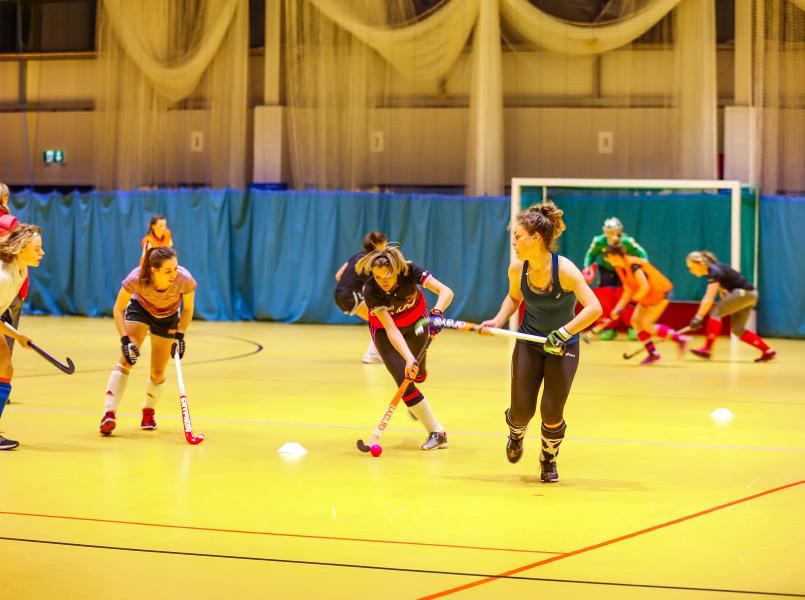
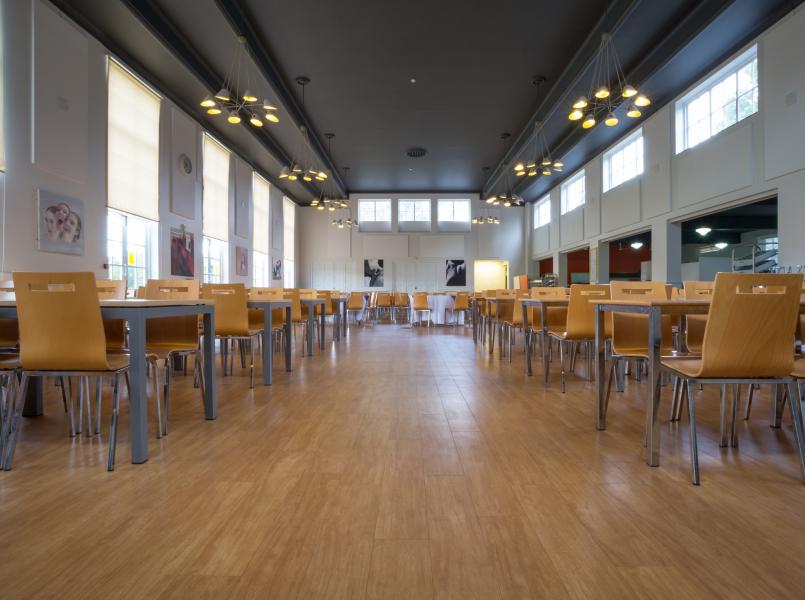
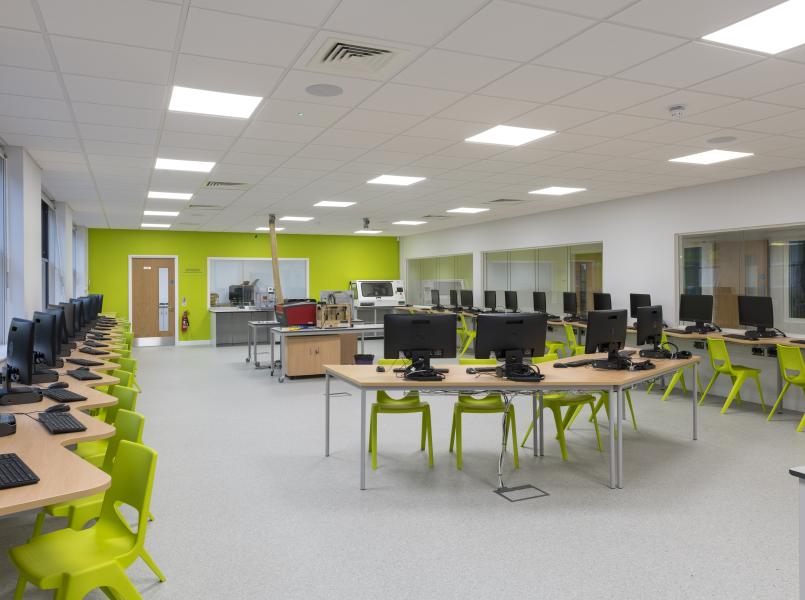
Department for Education (DfE) guidance sets clear expectations for flooring, focusing on durability, slip resistance, ease of maintenance and suitability for specific use cases. Rather than a one-size-fits-all approach, flooring must be selected based on the demands of each individual space. High-traffic areas such as corridors and entrances require robust, slip-resistant materials, while classrooms and libraries benefit from solutions that support acoustics and comfort. Specialist areas, including sports halls, laboratories and wet environments, demand more technical performance, from shock absorption to chemical resistance and enhanced hygiene.
Meeting DfE Flooring Requirements
The Department for Education (DfE) guidance sets clear expectations for flooring performance across education environments, ensuring spaces are safe, durable and fit for purpose throughout their lifecycle. At a high level, flooring solutions within education settings are expected to:
- Withstand heavy footfall and rolling loads associated with daily use. Flooring must be robust enough to cope with continuous foot traffic and rolling loads from furniture, equipment and maintenance activities, without compromising safety or performance. Long-term durability is essential to preserve appearance and reduce the need for frequent repair or replacement.
- Provide appropriate slip resistance, typically meeting PTV 36+ or R10/R11 standards where required. Flooring must deliver proven slip resistance to reduce the risk of slips and falls, particularly in areas prone to moisture or spillages such as entrances, washrooms and sports facilities. Performance should be independently tested and maintained throughout the floor’s lifespan.
- Deliver suitable resistance to water, chemicals and contaminants, depending on the nature of the space. In specialist environments such as laboratories, dining areas and wet rooms, flooring must resist penetration and degradation from water, cleaning agents, chemicals and other contaminants to maintain safety, hygiene and durability.
- Be easy to clean and maintain to support hygiene and operational efficiency
Flooring should support effective cleaning regimes, with smooth, non‑porous surfaces that minimise dirt traps and reduce maintenance time, helping education providers maintain high hygiene standards with minimal disruption. Comply with relevant commercial‑use classification standards
Products should meet recognised commercial performance classifications to ensure they are suitable for intensive, long‑term use in education settings, delivering reliable performance and value over their full lifecycle.Importantly, the DfE does not prescribe a single flooring solution across all education environments. Instead, it recognises that different areas, from general classrooms and circulation spaces to wet rooms and specialist facilities place very different demands on floor performance. As a result, flooring types are defined by usage rather than aesthetics alone. This reinforces the importance of a fit‑for‑purpose approach, where flooring is carefully selected based on the specific functional, safety and compliance requirements of each individual space.
Creating Safer, More Inclusive Learning Environments
Flooring plays a key role in supporting both safety and inclusivity within education settings. Slip-resistant surfaces help reduce accidents, while acoustic flooring contributes to improved concentration and reduced stress levels.
Accessibility is another important consideration. The use of colour contrast and appropriate light reflectance values (LRVs) can support navigation for visually impaired users, helping to create safer and more inclusive environments. Thoughtful design choices can also support students with additional needs, contributing to more comfortable and accessible learning spaces.
A Complete Solution Approach
Taking a complete solution approach across flooring, wall protection and accessories can deliver significant benefits. By working with a single supplier, projects can achieve greater consistency in performance, design and compliance.
This approach helps simplify the specification process, ensures compatibility across products and can reduce installation complexity. It also supports long-term performance, helping to lower maintenance requirements and lifecycle costs over time.
With solutions available for every area of an education facility, from entrance matting through to specialist flooring and wall systems, a joined-up approach can deliver both practical and operational advantages.
Sustainability Considerations
Sustainability is an increasingly important factor in education refurbishment projects, particularly within the public sector. Flooring choices can contribute significantly to a building’s overall environmental performance.
Many modern flooring solutions are designed with sustainability in mind, incorporating recycled and bio-based materials while offering long product lifecycles. Durable materials reduce the need for frequent replacement, helping to minimise waste and resource use over time.
In addition, low-maintenance surfaces can reduce the need for harsh cleaning chemicals, supporting healthier indoor environments. By considering sustainability alongside performance, education facilities can align refurbishment projects with wider environmental targets.
Conclusion
Summer provides a valuable opportunity to upgrade education environments with minimal disruption. By taking a space-by-space approach and aligning with DfE guidance, facilities can ensure their flooring solutions deliver long-term performance, safety and compliance.
Every area within an education setting has unique requirements, and selecting the right materials is essential to creating environments that are durable, hygienic and fit for purpose. A well-considered flooring strategy not only enhances day-to-day operations but also supports the long-term success of the facility.
To explore how tailored flooring and wall solutions can support your next refurbishment project, speak to the Gerflor and Gradus team or discover the full range of education solutions available.